Home/Pipe Repair & Repiping
Pipe Repair & Repiping — Gilbert, AZ & the East Valley
Pipe repair, whole-home repiping & sewer line repair
From a single corroded section to a full repipe on an aging system, we fix the actual source of recurring leaks and low pressure — not just the latest symptom.
What's Included
From a single repair to a full system replacement
We scope the job to what your plumbing actually needs — a targeted repair when that's enough, a full repipe when it isn't.
Targeted pipe repair
Cutting out and replacing a specific damaged or corroded section of pipe rather than a full system overhaul, when the rest of the plumbing is still in good shape.
Whole-home repiping
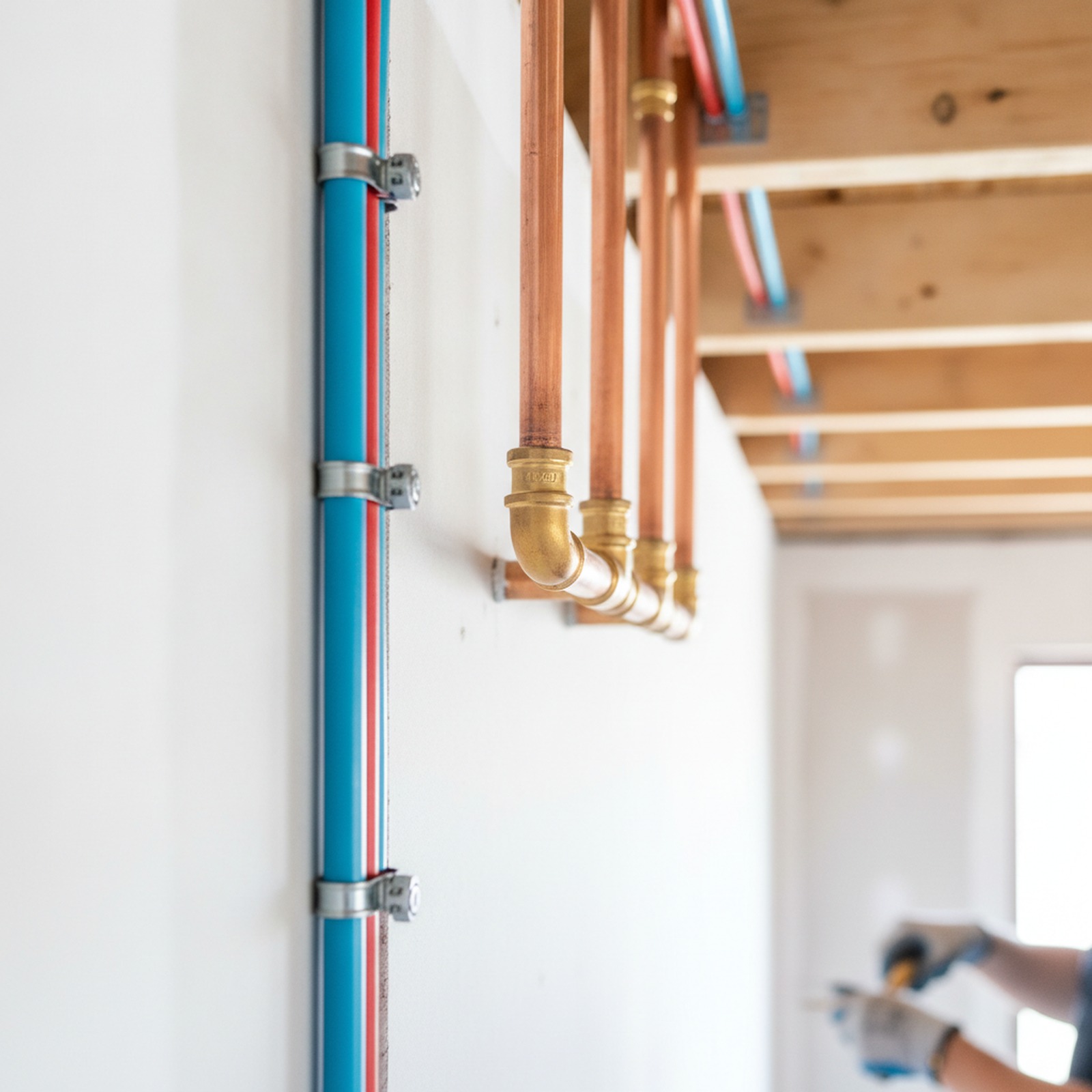
Replacing aging or corroded galvanized steel or polybutylene systems with modern copper or PEX piping — solving recurring leaks and low pressure at the source instead of patching symptoms.
Sewer line repair
Repair or replacement of damaged sewer lines, including trenchless relining options that avoid tearing up an entire yard or driveway when the line's condition allows it.
Corrosion & pressure diagnosis
Identifying whether low water pressure and discolored water are coming from internal pipe corrosion, mineral scale buildup, or a specific failing section before recommending a fix.
Who Needs This
Signs your pipes need attention
Older homes and homes with a history of leaks are the most common candidates for repair or repiping. Watch for:
- The home was built before the 1990s and still has original galvanized steel supply lines.
- Water pressure has dropped noticeably over the years with no obvious single cause.
- Rusty or discolored water, especially right after the water has sat unused for a while.
- Recurring pinhole leaks in different spots along the same pipe run.
- Visible corrosion, green staining, or white mineral crust on exposed copper or galvanized pipe.
- You're planning a kitchen or bathroom remodel and want plumbing brought up to current standards first.
Two forces working against your pipes here
Hard water: mineral deposits build up inside pipe walls over years, narrowing flow and accelerating internal corrosion in older galvanized lines.
Caliche & expansive soil: seasonal ground movement stresses underground joints and sewer lines, which can crack fittings or offset sections and invite root intrusion.
Tired of the same leak coming back?
Call 844-967-5247Common Questions
Pipe repair & repiping FAQ
How much does repiping a house cost?
It depends on the size of the home, how accessible the existing pipe runs are, and whether you're repiping the whole house or a section. We inspect the current system, explain what we find, and give you a flat, itemized price before starting — no per-hour surprises partway through the job.
How long does whole-home repiping take?
Most single-family homes are repiped in a few days, with water shut off only during active work periods each day rather than the entire project. Larger or multi-story homes, or homes needing wall/ceiling access in more rooms, can take longer — we'll walk you through a realistic timeline upfront.
What is trenchless sewer line repair?
Trenchless relining inserts a new pipe liner inside the damaged sewer line through existing access points, avoiding the need to dig a full trench along the line's path. It's not the right fit for every situation — a camera inspection tells us whether your line's condition and layout make it a good candidate versus traditional dig-and-replace.
Does Gilbert's soil actually damage sewer lines?
Yes. Caliche and expansive clay soils common across Gilbert shift with seasonal moisture changes, which can crack aging pipe joints or offset sections of a sewer line over time. Offset joints are also a common entry point for tree root intrusion, which compounds the problem — a camera inspection during a repair visit will tell us exactly what's going on underground.
Related Services
Fix it at the source
Call now or request a quote and we'll inspect your system and give you a clear, honest recommendation.